Colosseum
Rome, Italy

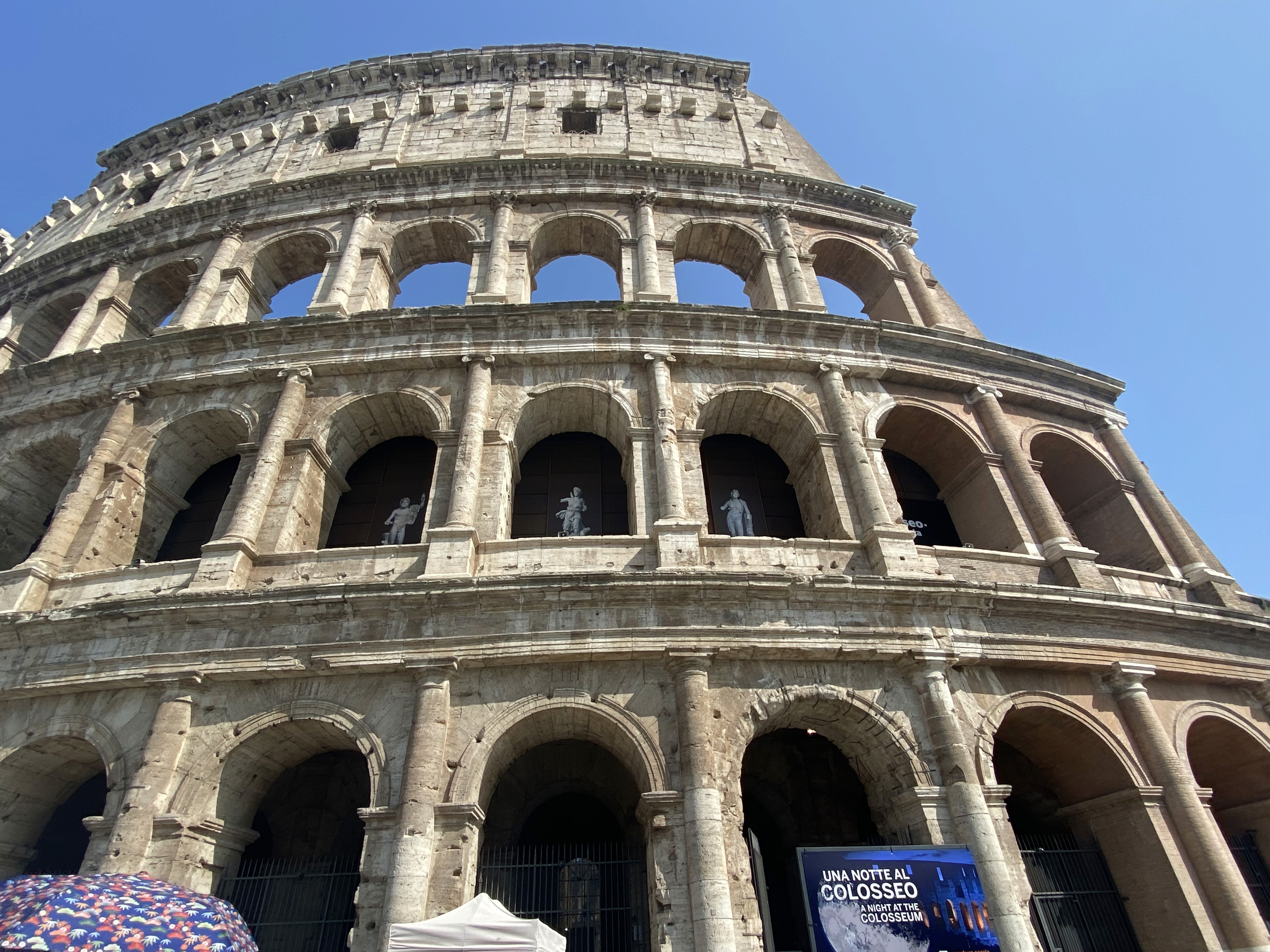
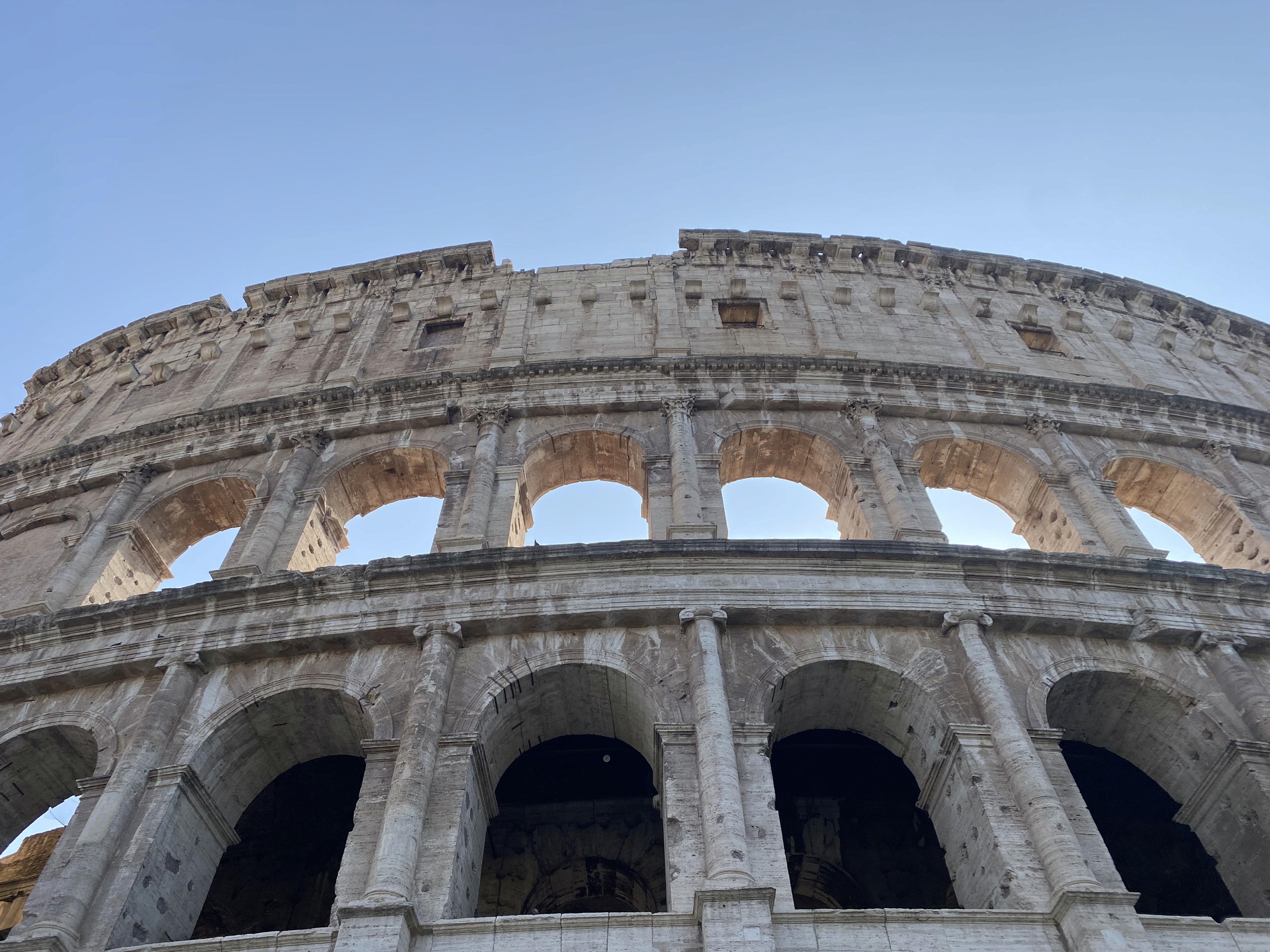
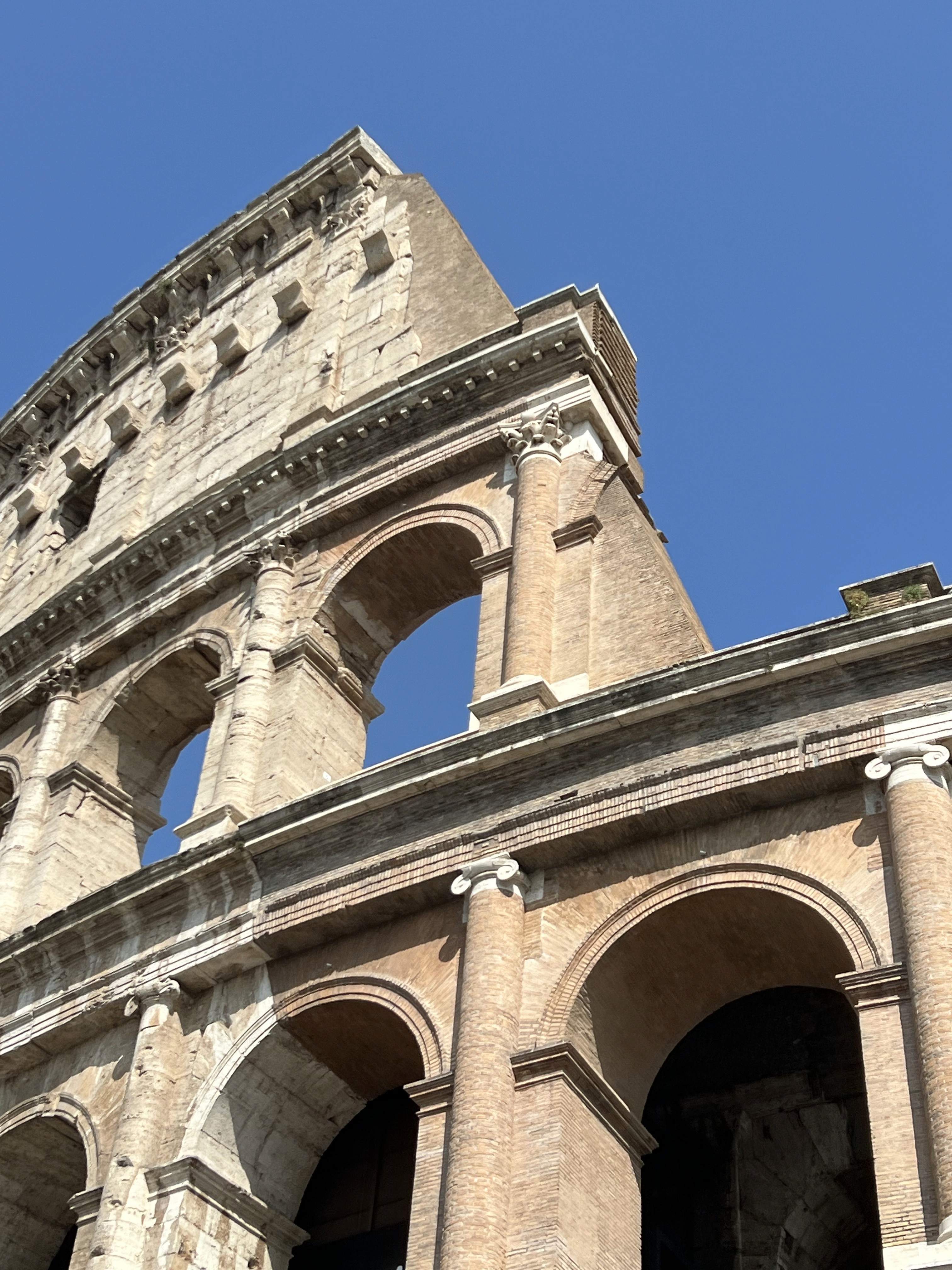
The Colosseum in Rome was begun around A.D. 72 by Emperor Vespasian and opened by his son, Emperor Titus, in A.D. 80. Built largely with travertine stone, concrete, brick, and tuff, it was financed in part with wealth taken after the Roman victory in Jerusalem. One of its most impressive features was the velarium, a huge retractable fabric awning that shaded spectators from the intense Roman sun. Specially trained sailors from the Roman fleet helped operate the complex system of ropes, masts, and canvas. Beneath the arena was the remarkable hypogeum, a two-level network of tunnels, chambers, cages, ramps, and lifts where gladiators, animals, workers, and scenery could be kept out of sight and then dramatically brought into the arena. At its height, the Colosseum could accommodate tens of thousands of spectators, making it an extraordinary example of Roman engineering nearly 2,000 years later.